ㅐ vs ㅔ: do they sound the same? ㅐ와 ㅔ는 같은 소리인가요
Almost. In everyday Korean today, most speakers pronounce ㅐ [ae] and ㅔ [e] almost the same. You do not need to make them sound different when you speak. You do need to know which one a word is spelled with.
Hear and see both 소리와 입 모양
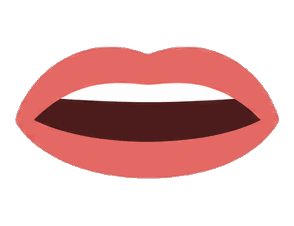
Open 2 little-fingers wide, tongue behind the lower front teeth. In practice, most speakers pronounce this almost the same as [e]. 입을 새끼손가락 두 개만큼 벌리세요. 혀는 아랫니 뒤에 두세요. 실제로는 [에]와 거의 똑같이 발음해도 괜찮습니다.
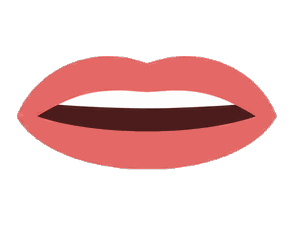
Open 1 little-finger wide, tongue a bit lower than for "ee". In practice, most speakers pronounce this almost the same as [ae]. 입을 새끼손가락 한 개만큼 벌리세요. 혀는 [이]보다 낮게 내리세요. 실제로는 [애]와 거의 똑같이 발음해도 괜찮습니다.
The difference on paper 원래의 차이
| ㅐ [ae] | ㅔ [e] | |
|---|---|---|
| Mouth | Open about two little fingers wide. | Open about one little finger wide. |
| Tongue | Behind the lower front teeth. Lower than for ㅔ. | A bit lower than for ㅣ. Higher than for ㅐ. |
So ㅐ is the more open of the two, and that is all. The difference is small, and in ordinary speech it mostly disappears.
What this means for you 어떻게 하면 되나
- Speaking. One “eh” sound for both is fine. You will be understood.
- Listening. Do not expect to hear which one it is. The rest of the sentence tells you which word was meant.
- Spelling. This is where the two letters matter. Learn each word together with its spelling, the same way you learn “meet” and “meat” in English.
Korean speakers have the same problem. When someone has to say which letter they mean, ㅐ is called 아이 (ㅏ + ㅣ) and ㅔ is called 어이 (ㅓ + ㅣ), after the shapes they are built from.
Words that differ only in spelling 철자만 다른 낱말
These are real words. They sound the same or nearly the same, and the only difference is ㅐ or ㅔ.
게 [ge] crab
모레 [mo-re] the day after tomorrow
세 [se] three
ㅒ and ㅖ work the same way ㅒ와 ㅖ도 마찬가지입니다
ㅒ [yae] and ㅖ [ye] are ㅐ and ㅔ with a short ㅣ in front. Both glide into the same “eh”, so they are just as close to each other.
Words with ㅐ ㅐ가 들어간 낱말
Words with ㅔ ㅔ가 들어간 낱말
More on each letter 글자별 설명
Practice ㅐ and ㅔ with your own voice
Korean Alphabet & Sounds · free to start, one-time unlock, no subscription
- Record yourself and compare with the example
- Trace each letter — the app checks your strokes
- Quizzes, flashcards and daily review
- 313 words with pictures in 11 topics
Audio: Supertonic 3 (text-to-speech) · Illustrations: Hangeul Press